Udderly Hairy: The Honest Guide to Bottle-Feeding Baby Lambs
 Stephanie Copeland · August 19, 2026
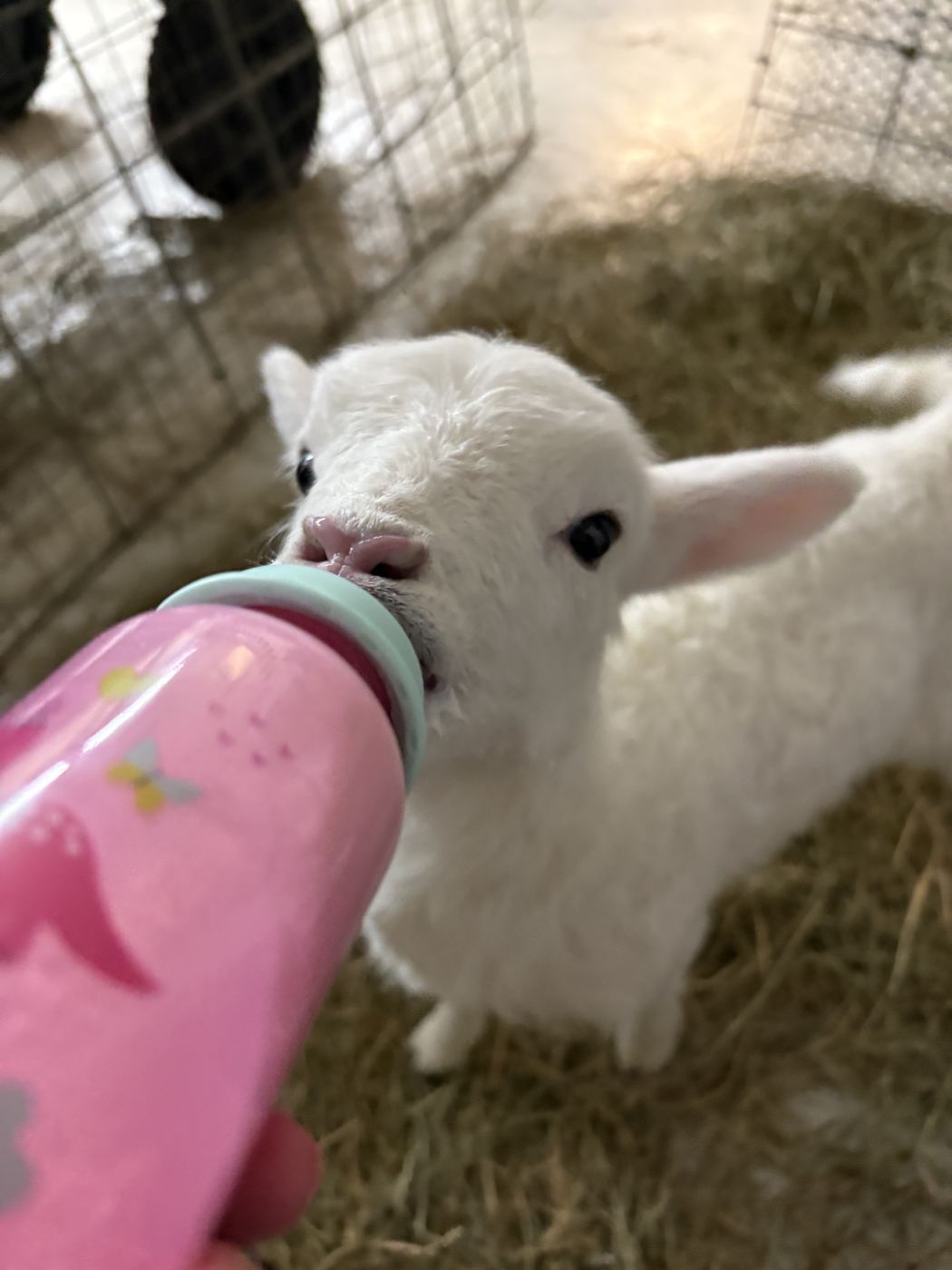
Bottle-feeding baby lambs is a lot like babysitting a tiny, hairy version of a toddler — except they're more likely to nibble on your shoelaces than your smartphone. Whether you're rescuing an orphaned lamb or simply playing substitute for a snoozing ewe, preparing for some udderly entertaining (and sometimes exasperating) adventures is a must. Let's dive into the hilariously hairy world of lamb nutrition, where colostrum is king, milk replacers are the sidekicks, and every feeding session is an opportunity to channel your inner lamb whisperer.
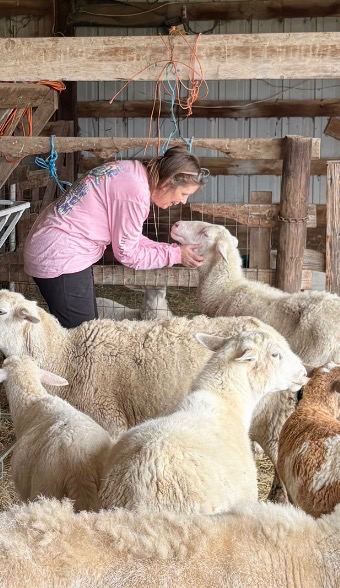
Bottle-feeding baby lambs isn't just a quirky chapter in our farm life — it's practically a rite of passage. Our first two lambs (you already met our first ewe, Rolla) were bottle babies, and every year we seem to end up with 2-3 little ones who need a bit of extra help. I always love the experience — until those late-night feedings sneak up on me, and I find myself running on barely 3 hours of sleep. But believe me, every yawn-worthy moment is worth it because these bottle babies grow up to be the most lovable adults, each one a testament to the tender care they received in their early days.
Understanding the Nutritional Needs of Your Fluffy Foodies
Newborn lambs have a digestive system as delicate as a soap bubble and a growing appetite that could rival a miniature vacuum cleaner. In their first few days, these fuzzy dynamos need a precise mix of proteins, fats, vitamins, and minerals — kind of like a gourmet baby smoothie — to fuel their rapid growth and immune system.
Colostrum: The Lamb's First Superfood (Not the Sparkly Kind)
Colostrum is the miracle milk that appears in the first few hours after birth, packed with antibodies, nutrients, and enough energy to power a small farm. Think of it as nature's way of giving your lamb a VIP pass to the immune system club.
- Immune Protection: Colostrum provides the antibodies that fend off infections, essentially giving your lamb a tiny, fluffy suit of armor.
- Nutrient Bonanza: It's rich in proteins, fats, vitamins, and minerals — basically a nutritional buffet that even the pickiest eater would appreciate.
- Gut Health: The magical ingredients in colostrum help set up a robust gut flora, meaning fewer chances of your lamb's tummy throwing a tantrum.
If colostrum from the ewe isn't available, high-quality commercial colostrum substitutes are your next best bet. Just be sure the substitute doesn't come with a side of "hairy chaos."
Choosing the Right Milk Replacer: The Lamb's Liquid Gold
Once the colostrum party is over, it's time for the milk replacer to take center stage. This isn't your average grocery store milk — it's a carefully formulated blend meant to mimic ewe milk as closely as possible.
What to Look For
- Balanced Nutrient Profile: proteins around 20–25%, plus fats, vitamins, and minerals.
- High Digestibility: a lamb's digestive system is still a work in progress, so the formula should be smooth.
- Energy Density: your lamb needs fuel to grow big and bouncy.
Preparing the Formula
- Follow the Manual: follow the manufacturer's ratio of powder to water, no shortcuts.
- Temperature Check: warm the milk to about 100°F (38°C).
- Hygiene is Key: clean bottles and nipples, every time.
Bottle Feeding Techniques: Handling Your Furry Foodie with Finesse
Feeding Schedule
- Frequent Feedings: every 2–3 hours in the early days, including the middle of the night.
- Volume: a handy rule is about 10% of the lamb's body weight in milk per day.
- Pace Yourself: let your lamb set the pace, forcing a gulp can cause choking.
Recognizing Cues
- Hunger Signals: restlessness or a little dance near the bottle.
- Satiety Signals: the lamb pushes the bottle away — time to stop.
Troubleshooting Common Issues
- Diarrhea: often an imbalanced formula or feeding too fast — slow down, and call a vet if it doesn't improve.
- Refusal to Feed: check the milk temperature and the nipple flow before assuming the worst.
Monitoring Health: Keeping an Eye on Your Little Fuzzy Friend
- Weight Monitoring: weigh your lamb regularly.
- Physical Condition: watch for dehydration (dry gums, lethargy) or unusual behavior.
- Behavioral Cues: a normally bouncy lamb gone quiet is worth a nutrition check.
Transitioning to Solid Food: When Your Lamb Graduates from the Bottle
Around 3–4 weeks, your lamb may start eyeing that patch of grass like it's the hottest new restaurant in town.
- High-Quality Starter Pellets: begin with easily digestible starter feed formulated for lambs.
- Gradual Integration: slowly mix small amounts of solid feed with the milk.
- Monitor the Reaction: a few hiccups are normal; slow the transition if needed.
Conclusion
Raising bottle-fed baby lambs is as much an adventure as it is a lesson in patience and persistence. With the right blend of colostrum, a carefully chosen milk replacer, and plenty of TLC, you're well on your way to raising healthy, happy, and slightly mischievous little lambs.
Disclaimer: This blog post is intended for humorous yet educational purposes and does not replace professional veterinary advice. When in doubt, always check with a qualified expert before implementing any feeding practices.